The ability to provide patients with safe, effective outpatient anesthesia has distinguished the specialty of Oral and Maxillofacial Surgery since its earliest days. As the surgical specialists of the dental profession, Oral and Maxillofacial Surgeons are trained in all aspects of anesthesia administration. Following dental school, Oral and Maxillofacial Surgeons complete at least four years of training in a hospital-based surgical residency program alongside medical residents in general surgery, anesthesia and other specialties. They are taught the skills to safely administer anesthesia to patients. This includes IV sedation, general anesthesia, airway management and intubation techniques. This also includes complete training in Advanced Cardiac Life Support (ACLS.) It is our utmost goal to make your surgical experience as pleasant and stress free as possible while maintaining the highest levels of safety.
During the initial consultation you and Dr. Farshidi will discuss the type of procedure involved, your medical history and your level of anxiety. Dental phobia is a real, often overwhelming reality for thousands of people. Dr. Farshidi is committed to understanding the very real and sensitive nature of your fears. Some procedures, due to their nature, require the use of general anesthesia or IV sedation; whereas, others are best accomplished under local anesthesia. The choice of anesthesia is always a personal decision and should be made only after an informative consultation with the Oral and Maxillofacial Surgeon. In addition, during the initial consultation, you will also be given instructions to prepare for surgery.
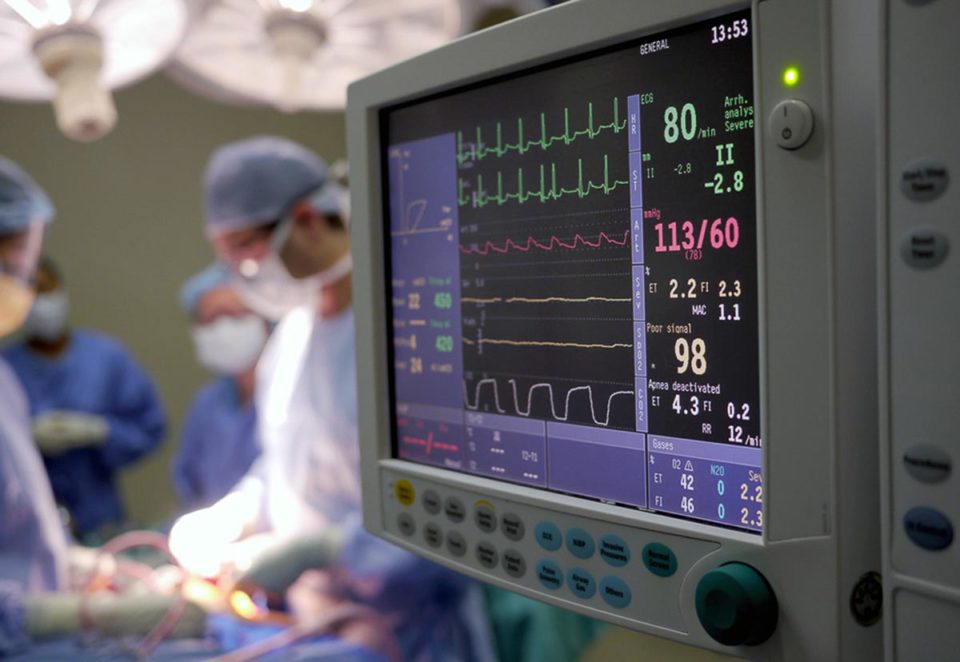
Coming to our office on the day of surgery and anesthesia is no different than having surgery in the hospital and it is often much more user friendly. The equipment in our surgical suites and recovery room are similar to those used in the hospitals. When you arrive in the surgical suite the oral surgery assistant will connect you to a number of monitors. These devices are typically a blood pressure cuff, an EKG (electrocardiogram) and a pulse oximeter (a device that painlessly measures both your pulse rate and the amount of oxygen in your blood). Therefore, it is suggested that you wear loose clothing to facilitate the application of these important devices. Your doctor is always on-call and he can also answer any emergency questions you may have in regards to your care following your surgery.
What Is Office Intravenous Anesthesia?
Intravenous sedation or “twilight sleep” helps you to be comfortable and calm when undergoing dental procedures. Intravenous sedation is designed to enable you to tolerate, as well as not remember those procedures that may be very uncomfortable for you. IV sedation will essentially help alleviate the anxiety associated with your treatment. You may not always be asleep but you will be comfortable, calm and relaxed; drifting in and out of a “twilight sleep.”
Intravenous sedation is administered through a thin needle that is introduced into a vein in your arm. The needle will be attached to a tube through which medication will be given to help you relax and feel comfortable. The goal of IV sedation is to use as little medication as possible to complete treatment. It is very safe, much safer than oral sedation. With IV sedation a constant “drip” is maintained via the intravenous tube. At any time an antidote can be administered to reverse the effects of the medications if necessary. Along with IV sedation there are also other different “levels” of sedation available to you in our office.
What Is Local Anesthesia?
Local anesthesia involves administration of a “Novacaine” shot that numbs or freezes a small area so surgery can be performed without altering consciousness. Using only local anesthesia, the patient is completely alert and fully aware of his or her surroundings. Local anesthesia does not decrease the patient’s level of anxiety towards the surgical procedure. Local anesthesia is used in conjunction with the other methods of anesthesia in all oral surgery procedures.
What Is Nitrous Oxide Sedation?
Nitrous oxide sedation can be a useful sedative and analgesic aid for oral surgery procedures. Nitrous oxide is a sweet smelling, non irritating, colorless gas which you can breathe through a nasal breathing apparatus. Nitrous Oxide is safe; the patient receives 50-70% oxygen with no less than 30% nitrous oxide. Patients remain conscious in a relaxed condition, and are able to breathe on their own and remain in control of all bodily functions. The patient may experience mild amnesia and may fall asleep not remembering all of what happened during their appointment.